This web browser is not supported. Use Chrome, Edge, Safari, or Firefox for best results.
XWord Info Home
Previous | Next | Ian Livengood author page | Sep 2016 grids | Solve & Print | PDF | FAQ | Pay
New York Times, Thursday, September 15, 2016
3-Down : Trains for an N.H.L. game, say
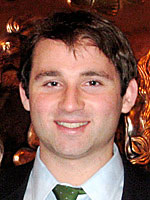
This puzzle:
Rows: 15, Columns: 15 Words: 74, Blocks: 34 Missing: {JQZ} This is puzzle # 55 for Mr. Livengood. Grid flow: 31.8 Thursday freshness: 35%
Ian Livengood notes:
I made the grid earlier this year, and like many of my completed puzzles, it sat unclued for months. When I finally got around to ... read more
Jeff Chen notes:
I'll admit, I was one of the DNFs (did not finishes) Ian mentioned — I stopped doing this puzzle about a quarter of the way through ... read more
Jim Horne notes:
Here are the anagrams: Across: 1. Tori 5. Teen's 10. Neuter 14. Kin 15. Nation 16. Drove 17. Part 19. Jihad 20. Top 21. Region 22. ... read more
1 A | 2 M | 3 O | 4 S | 5 S | 6 L | 7 A | 8 N | 9 G | 10 S | 11 P | 12 A | 13 Y |
||
14 P | I | C | A | 15 P | A | L | A | U | 16 W | O | V | E |
||
17 A | N | A | G | 18 R | A | M | T | H | E | 19 I | S | I | S |
|
20 T | E | N | 21 A | R | E | A | 22 R | 23 E | N | T | A | L |
||
24 O | R | A | 25 N | G | E | 26 F | R | I | G | A | T | E |
||
27 W | A | D | E | 28 S | 29 A | 30 I | L | E | D | 31 G | O | T |
||
32 L | A | R | 33 K | 34 S | N | O | R | E | 35 E | R | S |
|||
36 F | I | 37 R | S | T | W | O | R | 38 D | ||||||
39 E | 40 O | 41 S | 42 D | E | E | R | E | 43 S | O | 44 B | 45 E | |||
46 A | P | P | 47 M | A | N | O | R | 48 S | 49 T | O | M | 50 E |
||
51 S | E | A | 52 S | A | L | T | 53 P | 54 A | S | C | A | L |
||
55 E | R | R | A | N | T | 56 S | 57 P | A | S | 58 E | N | D |
||
59 S | A | T | S | 60 I | 61 N | E | A | C | H | 62 C | L | U | E |
|
63 U | T | A | H | 64 M | O | X | I | E | 65 A | L | E | S |
||
66 P | E | N | A | 67 E | N | T | R | Y | 68 T | I | L | T |
© 2016, The New York Times9/15/16 ( No. 24,418 )
Support XWord Info today
Pay now and get access for a year.
Across
1
Trio who released the 1994 album "Under the Pink" : AMOS
5
Tense talk, often : SLANG
10
Tenure : SPAY
14
Ink of elite type : PICA
15
Anoint in the western Pacific : PALAU
16
Roved unpredictably : WOVE
17
Trap #1 to solving this puzzle : ANAGRAMTHE
19
Hadji group, briefly : ISIS
20
Pot ___ : TEN
21
Ignore : AREA
22
Visa offering : RENTAL
24
Heads seen on Halloween : ORANGE
26
Hips that can move quickly : FRIGATE
27
Logs through water : WADE
28
Gilded smoothly : SAILED
31
Rescued : GOT
32
Pacer : LARK
34
Pan sound : SNORE
35
Gaiter locales, for short : ERS
36
Trap #2 : FIRSTWORD
39
Wand representer, in myth : EOS
42
Mane seen around the farm : DEERE
43
Pipes purchase of 2001 : SOBE
46
Paid purchase, perhaps : APP
47
Shop houses : MANORS
49
Regal volume : TOME
51
Clan from the ocean : SEASALT
53
Isabel of mathematics fame : PASCAL
55
Stingray : ERRANT
56
Stops to get a massage : SPAS
58
Stew ___ : END
59
Nights that high schoolers obsess over : SATS
60
Trap #3 : INEACHCLUE
63
Steered, today : UTAH
64
Never : MOXIE
65
Insets may be filled with them : ALES
66
Reform transportation secretary : PENA
67
Dairy unit : ENTRY
68
Slit : TILT
Down
1
Procured for many big 2000s comedies : APATOW
2
Manila alternative, in a guessing game : MINERAL
3
Trains for an N.H.L. game, say : OCANADA
4
Plums : SAG
5
Hassles in a bowling alley : SPARES
6
Wake : LAME
7
Roster in 63-Across : ALTA
8
Causal negative : NAH
9
Taste of Mexico : GUERRERO
10
Folgers concern : SWING
11
Lima expense : POSTAGE
12
Nepal V.I.P. : AVIATOR
13
"Geared!" : YESLETS
18
Time for a grease monkey : RAG
23
Courses that get you down? : EIDERS
25
Abhors material for making toys : NERF
26
Drainage, e.g. : FLOWER
29
Eager (to) : ASSENT
30
Nailed, for short : INTRO
33
Curie's partner, once : KIDMAN
37
Harem show on HBO : REALTIME
38
Medical points, e.g. : DOTS
39
Nestler : EASESUP
40
Urn : OPERATE
41
Freight of ancient Greece : SPARTAN
44
Reigns at a music hall : BOCELLI
45
Harm in Democratic politics : EMANUEL
48
Croat who won an Academy Award in 1999 : SPACEY
50
Rifts in the family, say : ELDEST
52
Resist in the White House : SASHA
54
Tab material : ASH
56
Squire message : SEXT
57
Hose purchase : PAIR
61
Veto in the French legislature : NON
62
"Loco" sort : CAT
Answer summary:
3 unique to this puzzle, 1 unique to Modern Era but used previously.
Please log in to use the Analyze feature.
Found bugs or have suggestions? Please let us know.
Like this puzzle? Please share this page on social media to help spread the word about XWord Info. Thanks!